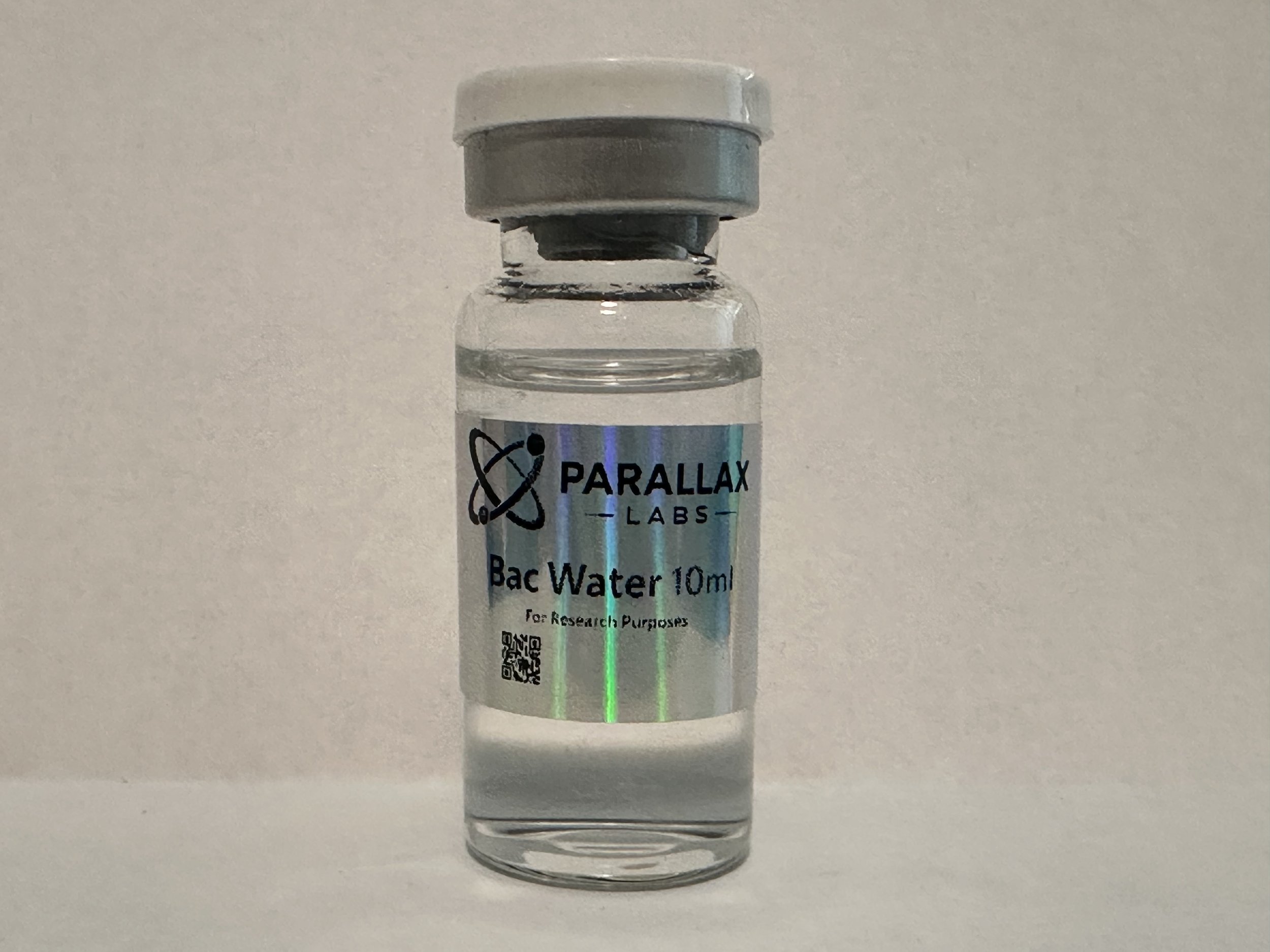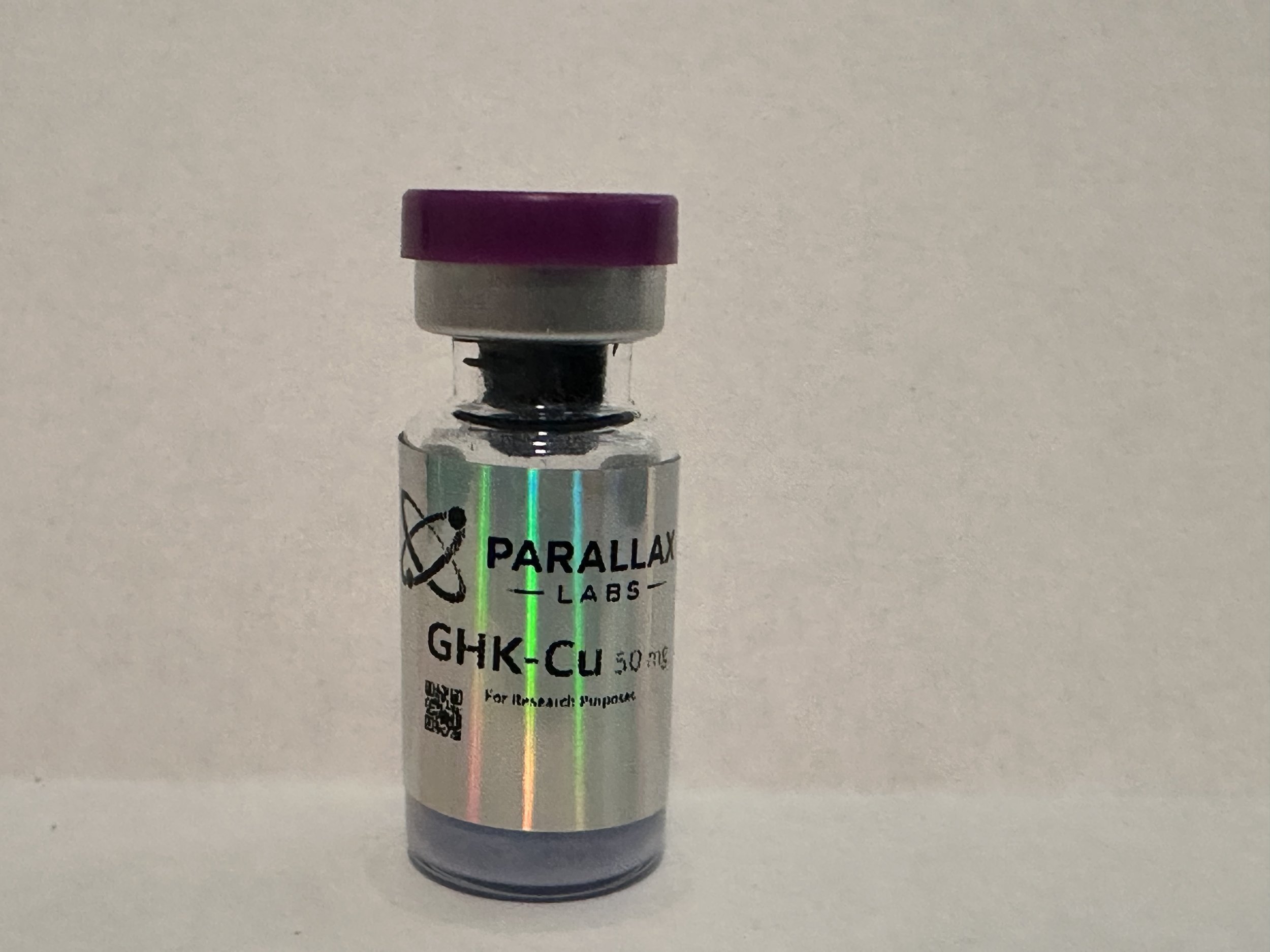
Research-Grade Peptides. Verified. Transparent. Trusted.
Parallax peptides-
Parallax peptides-
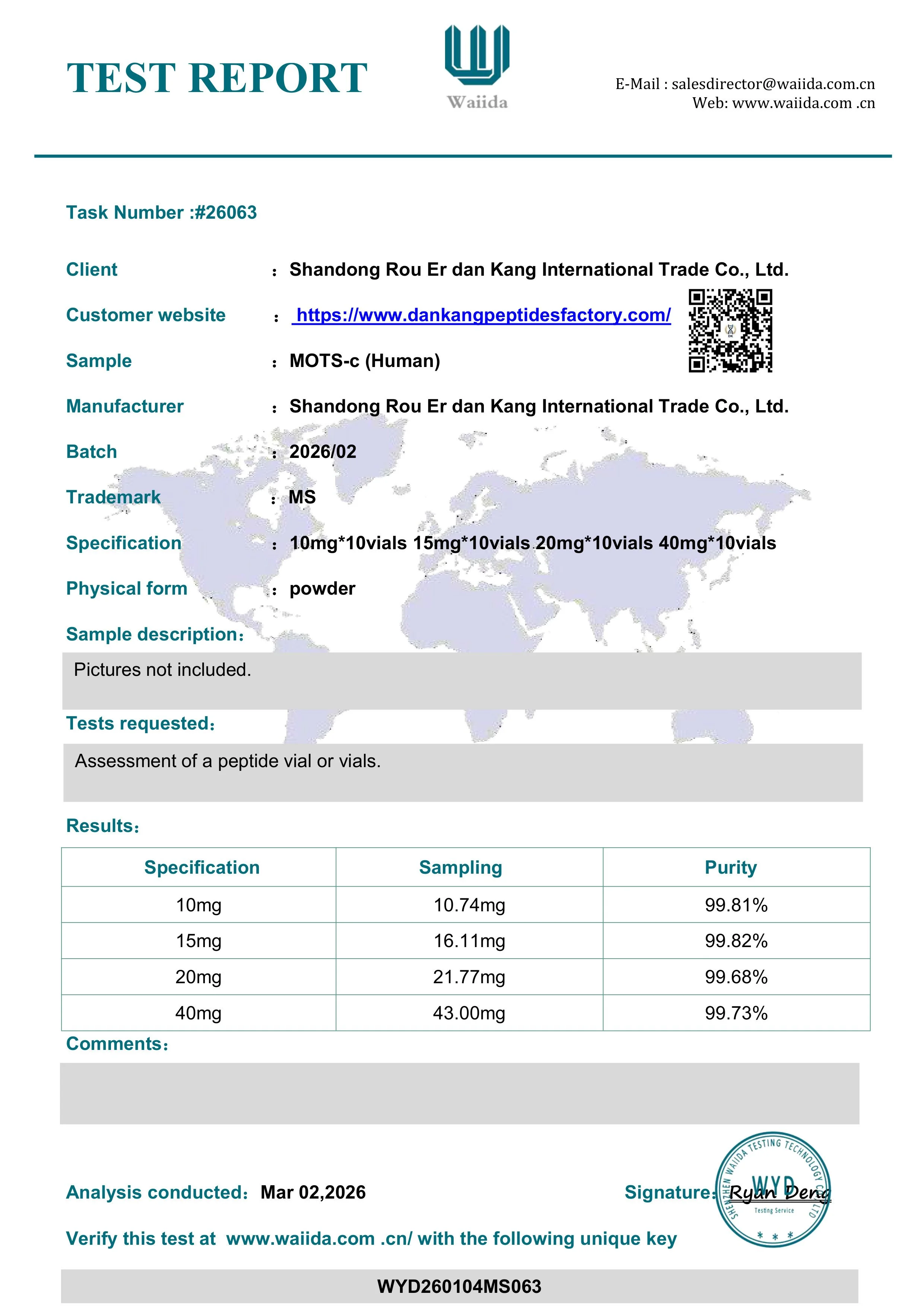
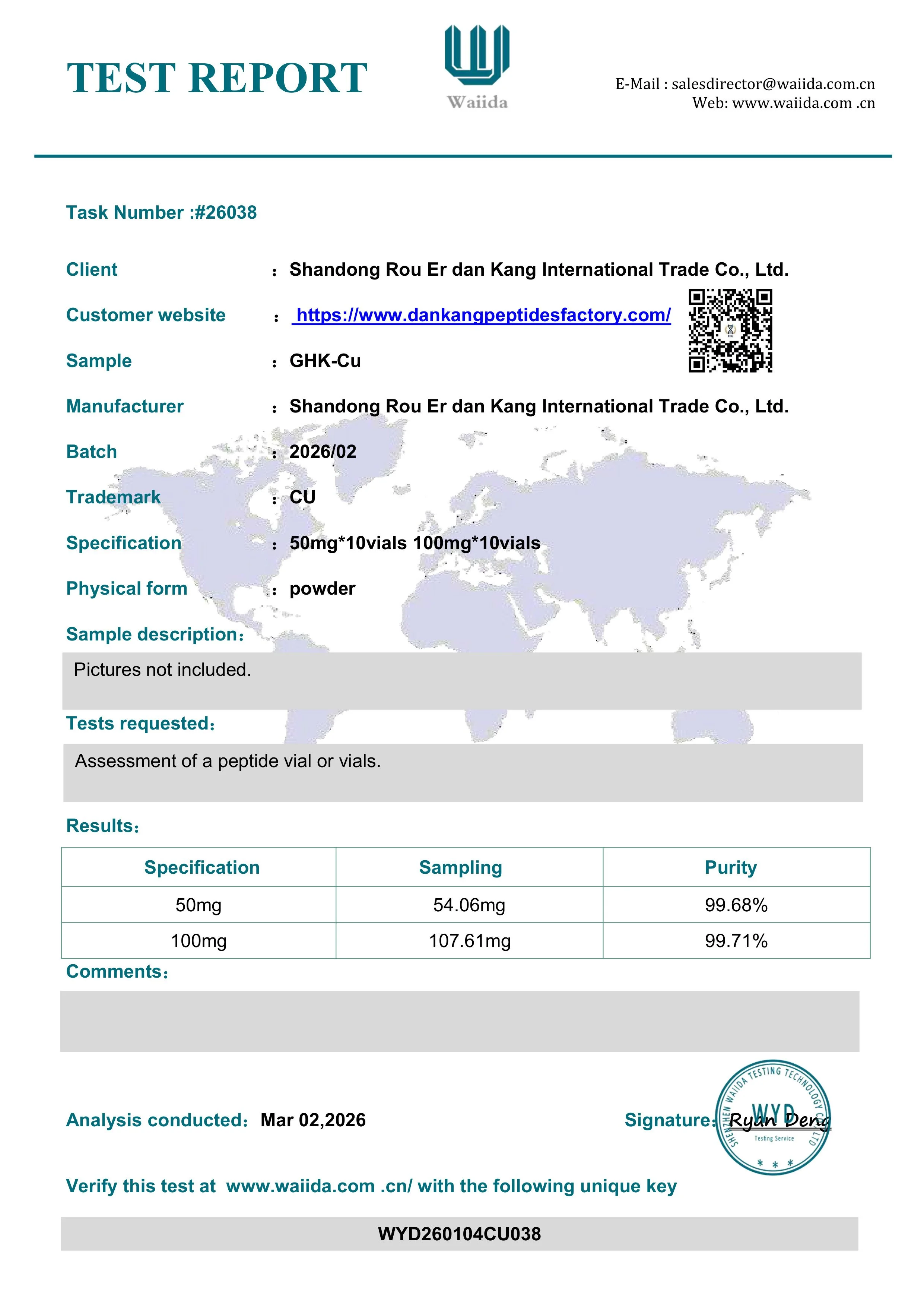
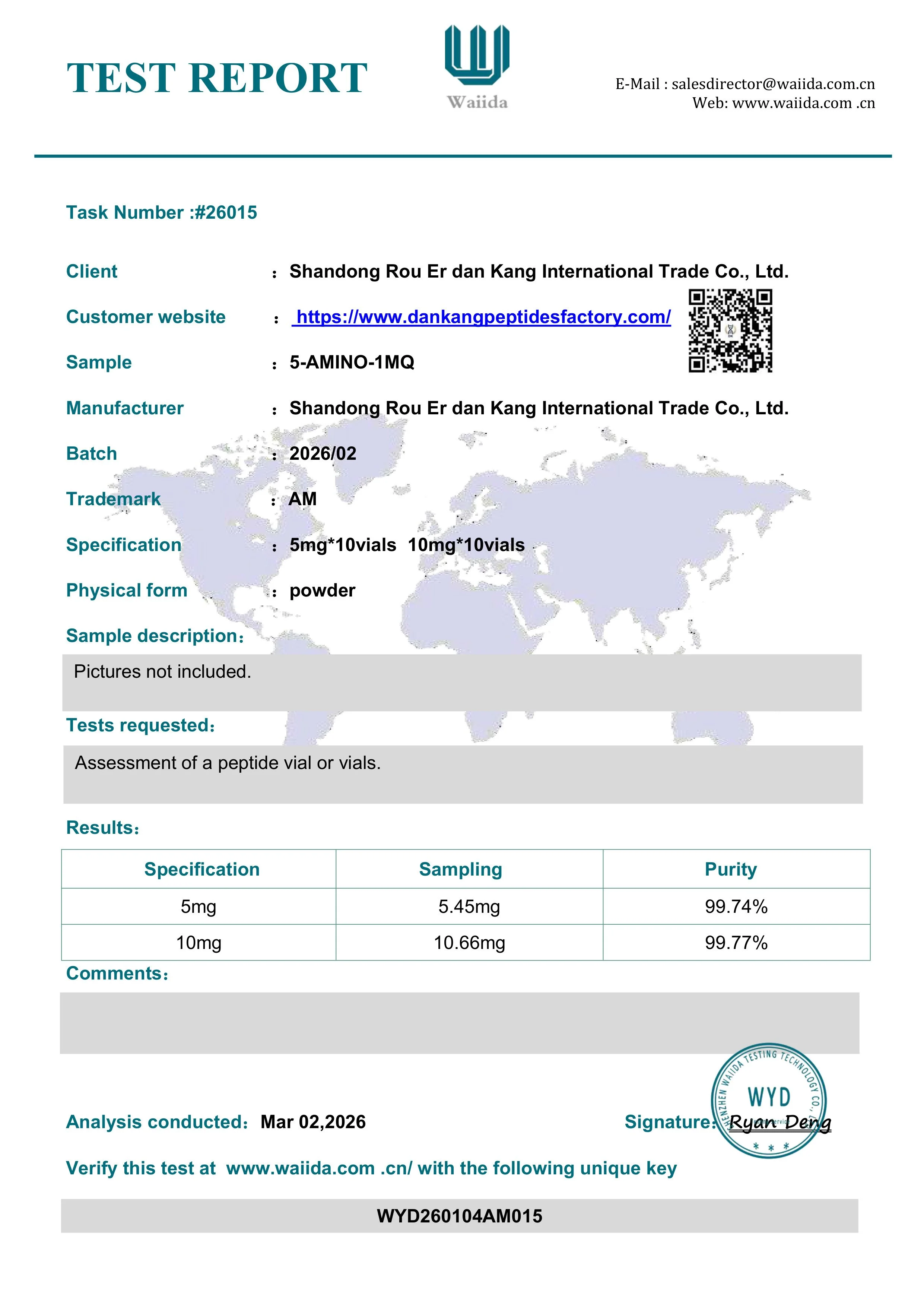
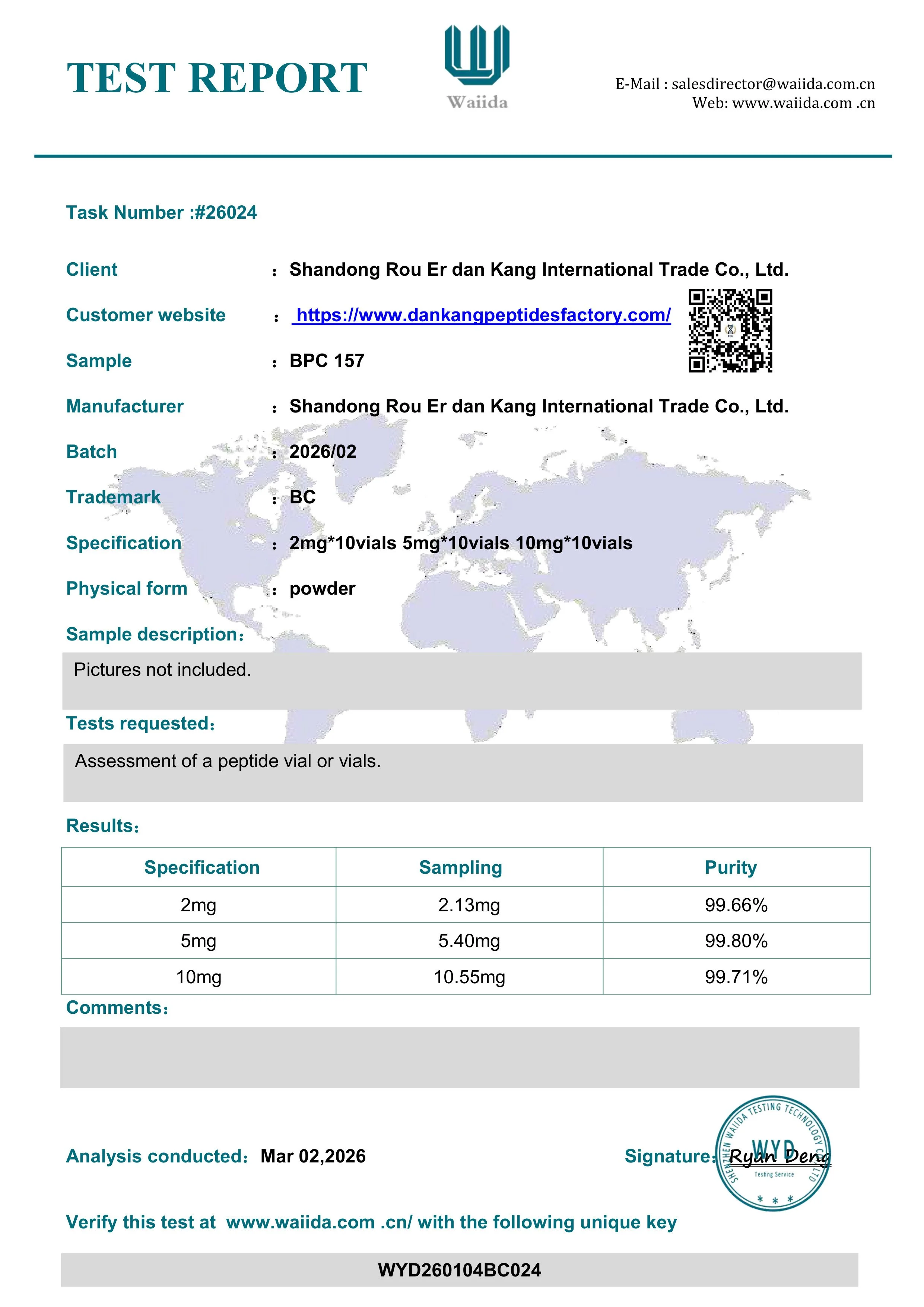
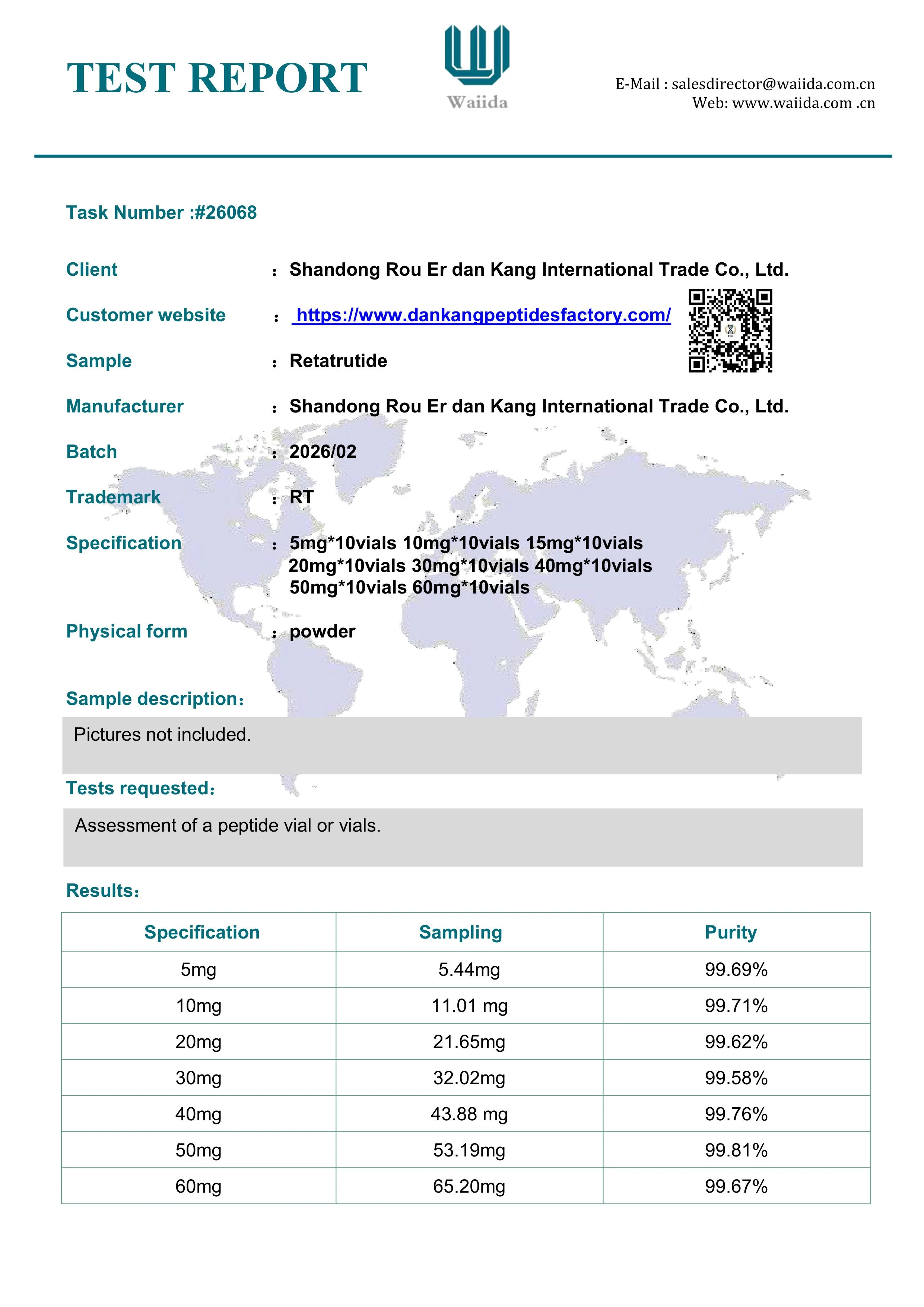
Trust & Transparency
Every Batch. Every Vial. Verified.
Independent testing on every production run. No exceptions. COA available before you order.
Featured Products
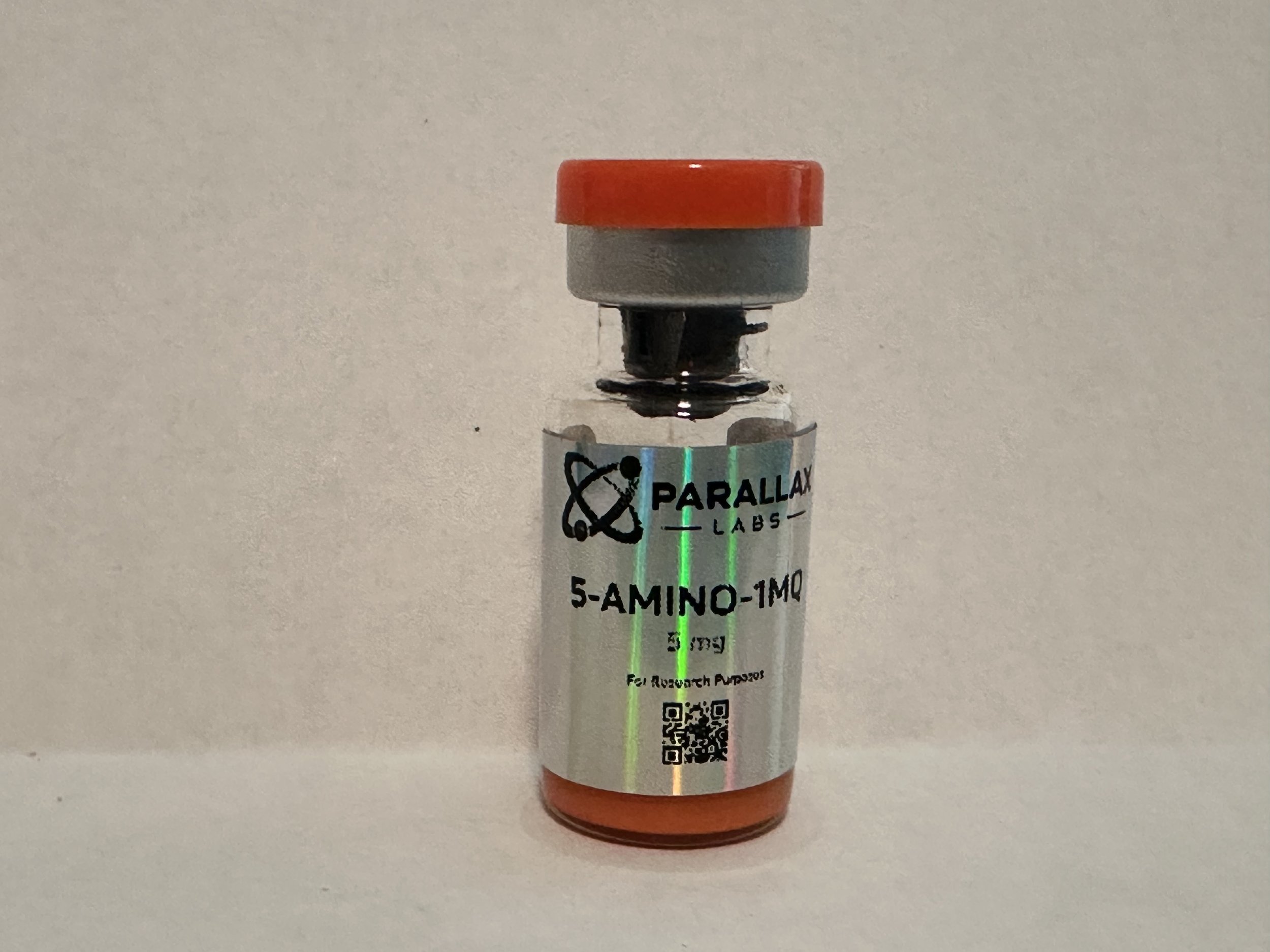
5-Amino-1-methylquinolinium (5-Amino-1MQ)
Overview 5-Amino-1-methylquinolinium (commonly abbreviated 5-Amino-1MQ) is a small molecule derivative of methylquinolinium. It has been investigated in preclinical research for its effects on metabolic regulation, particularly as an inhibitor of nicotinamide N-methyltransferase (NNMT). NNMT is an enzyme involved in nicotinamide metabolism and methyl group transfer; inhibition of NNMT has been associated in rodent studies with changes in energy expenditure, adiposity, and glucose metabolism.
Key properties
Chemical class: methylquinolinium derivative (quinaldinium family)
Primary reported activity: NNMT inhibitor (preclinical studies)
Typical research context: metabolic disease models (obesity, insulin resistance), cellular studies of methylation and NAD+ metabolism
Form: research-grade small molecule (used in laboratory settings; not approved for clinical use)
Mechanism of interest
NNMT catalyzes the N-methylation of nicotinamide, consuming S-adenosylmethionine (SAM) and producing 1-methylnicotinamide. NNMT activity has been linked to altered methyl donor balance and cellular NAD+ precursor availability.
5-Amino-1MQ is reported to inhibit NNMT activity in vitro and in vivo in preclinical models, which may preserve nicotinamide availability for NAD+ salvage and alter cellular methylation dynamics. Resulting downstream effects observed in animal studies include increased energy expenditure, reduced fat mass gain, and improved glucose homeostasis under certain experimental conditions.
Preclinical findings (summary)
Rodent studies: Administration of NNMT inhibitors including 1-methylquinolinium derivatives has been associated with resistance to diet-induced obesity, increased metabolic rate, and improved markers of insulin sensitivity in some models.
Cellular studies: NNMT inhibition can affect SAM/SAH balance, global methylation status, and pathways dependent on NAD+ availability.
Limitations: Data are primarily preclinical. Effects can vary by compound, dose, model, and study design. Reproducibility and translational relevance to humans remain to be established.
Safety and regulatory status
5-Amino-1MQ is a research chemical intended for laboratory use only. It is not approved by regulatory agencies for human therapeutic use.
Safety profile in humans is unknown. Preclinical safety data are limited; proper laboratory safety procedures, personal protective equipment, and institutional approvals should be used when handling the compound.
Do not use in humans, and do not infer safety or efficacy for clinical use from preclinical findings.
Practical laboratory considerations
Storage, handling, and solubility: Follow manufacturer material safety data sheet (MSDS) and product-specific guidelines for solvent choice, storage temperature, light sensitivity, and shelf life.
Assay considerations: Use validated assays for NNMT activity, appropriate controls, and consider off-target effects. Dose–response and pharmacokinetic evaluation in each model are essential.
Reporting: Provide full compound characterization (purity, supplier, lot), dosing regimen, route of administration, and vehicle details in any study reports.
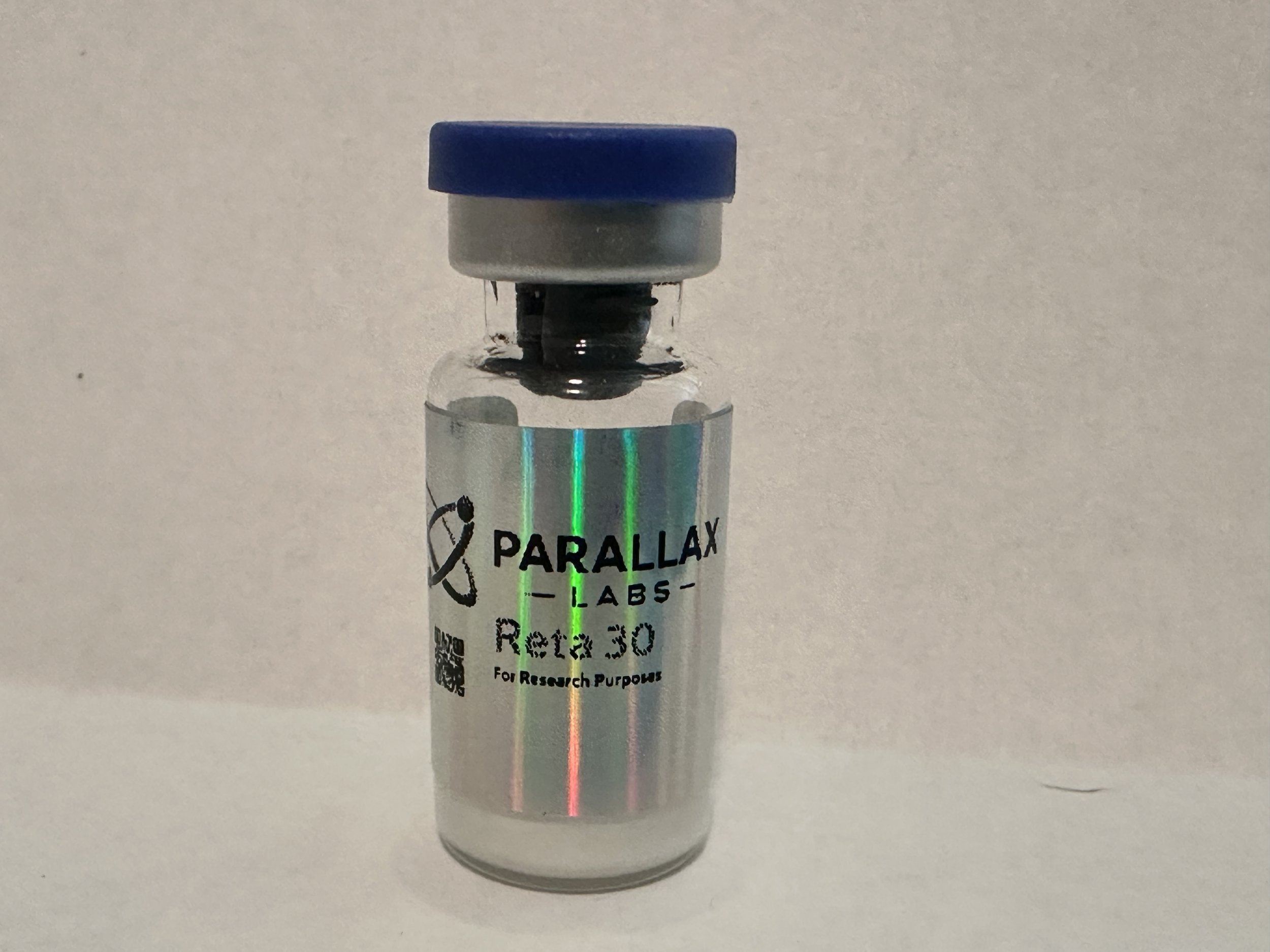
Retatrutide (sometimes described as a GLP-3 agent) — mechanism, clinical profile, and development status
Overview Retatrutide is an investigational peptide therapeutic designed to act on multiple gastrointestinal hormone receptors to promote weight loss and improve metabolic parameters. It is often characterized as a “GLP-3” type agent because it targets three key receptors involved in energy balance and glucose regulation: GLP-1 (glucagon-like peptide-1), GIP (glucose-dependent insulinotropic polypeptide), and the glucagon receptor. By combining agonism at these receptors in a single molecule, retatrutide aims to achieve greater and more durable reductions in body weight and improvements in cardiometabolic risk factors than single-receptor GLP-1 agonists.
Mechanism of action
GLP-1 receptor agonism: Enhances glucose-dependent insulin secretion, suppresses glucagon secretion, slows gastric emptying, and reduces appetite via central nervous system pathways.
GIP receptor agonism: May augment insulinotropic effects, improve postprandial glucose control, and — when combined with GLP-1 activity — appears to produce synergistic weight-loss and metabolic effects through complementary central and peripheral actions.
Glucagon receptor agonism: Increases energy expenditure and can promote lipolysis. Low-level glucagon receptor activity balanced with GLP-1/GIP signaling is proposed to enhance weight loss without causing clinically relevant hyperglycemia.
Clinical profile and efficacy (summary of trial findings)
Weight loss: In randomized, controlled phase 2 and phase 3 studies, retatrutide produced substantial mean placebo-subtracted weight reductions in adults with overweight or obesity, often exceeding those observed with single-receptor GLP-1 agonists. Many trial participants achieved clinically meaningful thresholds (≥10%, ≥15%, or greater reductions in body weight) over multi-month dosing periods.
Glycemic effects: Retatrutide improved fasting plasma glucose and HbA1c in participants with type 2 diabetes and showed favorable effects on insulin sensitivity markers in non-diabetic participants. The combined incretin and glucagon activities contributed to improved glycemic control while enhancing weight loss.
Cardiometabolic markers: Studies reported improvements in triglycerides, some measures of liver fat, and other metabolic risk factors; however, long-term cardiovascular outcome data are not yet available for definitive risk reduction conclusions.
Safety and tolerability
Gastrointestinal adverse events: Nausea, vomiting, diarrhea, and constipation were the most commonly reported side effects, generally dose
Retatrutide (sometimes described as a GLP-3 agent) — mechanism, clinical profile, and development status
Overview Retatrutide is an investigational peptide therapeutic designed to act on multiple gastrointestinal hormone receptors to promote weight loss and improve metabolic parameters. It is often characterized as a “GLP-3” type agent because it targets three key receptors involved in energy balance and glucose regulation: GLP-1 (glucagon-like peptide-1), GIP (glucose-dependent insulinotropic polypeptide), and the glucagon receptor. By combining agonism at these receptors in a single molecule, retatrutide aims to achieve greater and more durable reductions in body weight and improvements in cardiometabolic risk factors than single-receptor GLP-1 agonists.
Mechanism of action
GLP-1 receptor agonism: Enhances glucose-dependent insulin secretion, suppresses glucagon secretion, slows gastric emptying, and reduces appetite via central nervous system pathways.
GIP receptor agonism: May augment insulinotropic effects, improve postprandial glucose control, and — when combined with GLP-1 activity — appears to produce synergistic weight-loss and metabolic effects through complementary central and peripheral actions.
Glucagon receptor agonism: Increases energy expenditure and can promote lipolysis. Low-level glucagon receptor activity balanced with GLP-1/GIP signaling is proposed to enhance weight loss without causing clinically relevant hyperglycemia.
Clinical profile and efficacy (summary of trial findings)
Weight loss: In randomized, controlled phase 2 and phase 3 studies, retatrutide produced substantial mean placebo-subtracted weight reductions in adults with overweight or obesity, often exceeding those observed with single-receptor GLP-1 agonists. Many trial participants achieved clinically meaningful thresholds (≥10%, ≥15%, or greater reductions in body weight) over multi-month dosing periods.
Glycemic effects: Retatrutide improved fasting plasma glucose and HbA1c in participants with type 2 diabetes and showed favorable effects on insulin sensitivity markers in non-diabetic participants. The combined incretin and glucagon activities contributed to improved glycemic control while enhancing weight loss.
Cardiometabolic markers: Studies reported improvements in triglycerides, some measures of liver fat, and other metabolic risk factors; however, long-term cardiovascular outcome data are not yet available for definitive risk reduction conclusions.
Safety and tolerability
Gastrointestinal adverse events: Nausea, vomiting, diarrhea, and constipation were the most commonly reported side effects, generally dose-related and most prominent early in therapy. These effects were often transient or mitigated with dose escalation regimens.
Other adverse events: Injection-site reactions and occasional increases in heart rate were observed. Monitoring for pancreatitis symptoms, gallbladder-related events, and changes in liver enzymes occurred in trials, though serious events were uncommon in available data.
Hypoglycemia risk: Because activity is glucose-dependent and glucagon receptor agonism can increase glucose outputs, the hypoglycemia risk is low in monotherapy for people without insulin or sulfonylurea use, but caution is warranted when combined with other glucose-lowering agents.
Dosing and administration (general concepts)
Retatrutide has been administered by subcutaneous injection in clinical trials, typically once weekly. Dose-escalation schedules were used to improve tolerability, starting at a low dose and incrementally increasing to the target therapeutic dose over weeks.
Regulatory and development status (as of March 15, 2026)
Retatrutide has progressed through phase 2 and phase 3 clinical trials for obesity and for weight management in people with type 2 diabetes. Sponsoring companies have reported robust efficacy signals in pivotal studies. Regulatory submissions and review timelines vary by jurisdiction; consult current regulatory announcements for the latest status.
Clinical considerations and future directions
Comparative positioning: Retatrutide’s multi-receptor strategy is intended to produce greater weight loss and metabolic benefit than GLP-1–only drugs, potentially changing the landscape of pharmacologic obesity treatment if long-term safety and outcome data are favorable.
Patient selection: Candidates may include adults with obesity or overweight with comorbidities who have not achieved sufficient weight loss with lifestyle interventions and/or GLP-1 monotherapy; individualized assessment of cardiovascular risk, diabetes status, and concomitant medications is required.
Research needs: Longer-term safety, cardiovascular outcomes, effects on liver disease (nonalcoholic fatty liver disease), durability of weight loss after discontinuation, and real-world tolerability remain key questions. Head-to-head trials versus existing GLP-1 receptor agonists and combination therapies will further define clinical value.
Summary Retatrutide is an investigational triple-agonist peptide targeting GLP-1, GIP, and glucagon receptors that has demonstrated potent weight-loss and is for research purposes only.
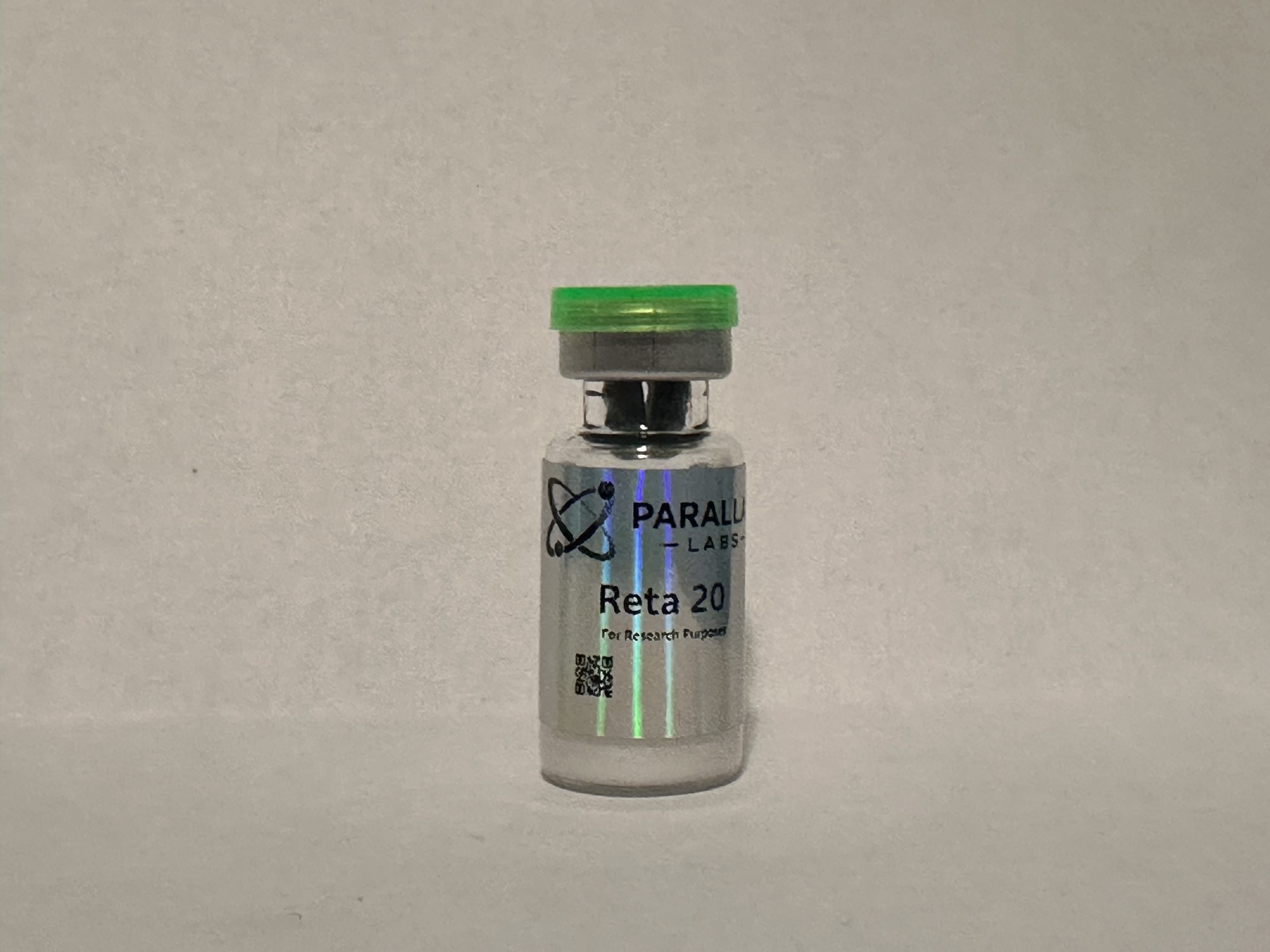
Retatrutide (GLP-3)
What it is
Retatrutide is an investigational peptide-based therapeutic that acts as a triple agonist at the GLP-1, GIP, and glucagon receptors (often referred to as a “GLP-3” agonist).
Designed to combine the appetite-suppressing and insulin-sensitizing effects of GLP-1 and GIP agonism with metabolic rate and weight-loss effects influenced by glucagon receptor activity.
Being evaluated primarily for obesity and metabolic disease (type 2 diabetes, cardiometabolic risk factors).
How it works (mechanism overview)
GLP-1 receptor activation: enhances glucose-dependent insulin secretion, reduces glucagon secretion, slows gastric emptying, and reduces appetite.
GIP receptor activation: potentiates insulin secretion, may improve energy partitioning and adipose tissue metabolism, and can synergize with GLP-1 for greater glycemic and weight effects.
Glucagon receptor activation: increases energy expenditure, promotes lipolysis and fatty acid oxidation; when combined carefully with GLP-1/GIP activity, aims to increase weight loss while limiting hyperglycemia.
As a balanced triple agonist, retatrutide seeks to harness complementary pathways to produce larger reductions in body weight and improvements in metabolic markers than single- or dual-agonists.
Clinical findings (summary)
Early-phase clinical trials have shown substantial dose-dependent reductions in body weight, with many participants achieving clinically meaningful weight loss.
Improvements reported in fasting glucose, insulin sensitivity, and some lipid and inflammatory markers in study cohorts.
Effects on adverse events are similar to other incretin-based therapies: gastrointestinal events (nausea, vomiting, diarrhea, constipation) are most common, usually dose-dependent and often transient.
Careful monitoring in trials for potential cardiovascular effects, changes in heart rate, and signs of hyperglycemia or hypoglycemia (particularly when used with other glucose-lowering agents).
Safety and tolerability
Most frequent adverse events: nausea, vomiting, diarrhea, constipation, decreased appetite.
Injection-site reactions may occur.
Potential risks to consider: pancreatitis (rare but monitored in incretin therapies), gallbladder-related events, and possible thyroid C-cell effects seen in rodent studies of some GLP-1 receptor agonists — relevance to humans is still studied.
In patients on insulin or insulin secretagogues, dose adjustments may be required to reduce hypoglycemia risk.
Not recommended during pregnancy or breastfeeding; evaluate and counsel women of childbearing potential.
Administration and dosing (general)
In clinical development, retatrutide has been administered by subcutaneous injection, typically once weekly, with dose escalation protocols used to improve tolerability.
Exact dosing regimens and approved indications depend on regulatory outcomes and labeling if/when approved.
Who may benefit
Retatrutide (GLP-3)
What it is
Retatrutide (GLP-3)
What it is
Retatrutide is an investigational peptide-based therapeutic that acts as a triple agonist at the GLP-1, GIP, and glucagon receptors (often referred to as a “GLP-3” agonist).
Designed to combine the appetite-suppressing and insulin-sensitizing effects of GLP-1 and GIP agonism with metabolic rate and weight-loss effects influenced by glucagon receptor activity.
Being evaluated primarily for obesity and metabolic disease (type 2 diabetes, cardiometabolic risk factors).
How it works (mechanism overview)
GLP-1 receptor activation: enhances glucose-dependent insulin secretion, reduces glucagon secretion, slows gastric emptying, and reduces appetite.
GIP receptor activation: potentiates insulin secretion, may improve energy partitioning and adipose tissue metabolism, and can synergize with GLP-1 for greater glycemic and weight effects.
Glucagon receptor activation: increases energy expenditure, promotes lipolysis and fatty acid oxidation; when combined carefully with GLP-1/GIP activity, aims to increase weight loss while limiting hyperglycemia.
As a balanced triple agonist, retatrutide seeks to harness complementary pathways to produce larger reductions in body weight and improvements in metabolic markers than single- or dual-agonists.
Clinical findings (summary)
Early-phase clinical trials have shown substantial dose-dependent reductions in body weight, with many participants achieving clinically meaningful weight loss.
Improvements reported in fasting glucose, insulin sensitivity, and some lipid and inflammatory markers in study cohorts.
Effects on adverse events are similar to other incretin-based therapies: gastrointestinal events (nausea, vomiting, diarrhea, constipation) are most common, usually dose-dependent and often transient.
Careful monitoring in trials for potential cardiovascular effects, changes in heart rate, and signs of hyperglycemia or hypoglycemia (particularly when used with other glucose-lowering agents).
Safety and tolerability
Most frequent adverse events: nausea, vomiting, diarrhea, constipation, decreased appetite.
Injection-site reactions may occur.
Potential risks to consider: pancreatitis (rare but monitored in incretin therapies), gallbladder-related events, and possible thyroid C-cell effects seen in rodent studies of some GLP-1 receptor agonists — relevance to humans is still studied.
In patients on insulin or insulin secretagogues, dose adjustments may be required to reduce hypoglycemia risk.
Not recommended during pregnancy or breastfeeding; evaluate and counsel women of childbearing potential.
Administration and dosing (general)
In clinical development, retatrutide has been administered by subcutaneous injection, typically once weekly, with dose escalation protocols used to improve tolerability.
Exact dosing regimens and approved indications depend on regulatory outcomes and labeling if/when approved.
Who may benefit
People with obesity or overweight with weight-related comorbidities seeking pharmacologic weight management.
Individuals with type 2 diabetes who need substantial weight loss and improved glycemic control.
Use should be individualized, considering medical history, concomitant medications, cardiovascular status, and pregnancy potential.
Current status and availability
Retatrutide is investigational and not broadly approved for clinical use at this time. Access is generally limited to clinical trial settings and investigational programs.
Regulatory review and additional studies will determine safety, efficacy, labeling, and availability.
Practical considerations
Discuss goals, expectations, and potential side effects with a healthcare provider.
Lifestyle interventions (diet, physical activity, behavior change) remain foundational and are typically recommended alongside pharmacotherapy.
Ensure appropriate monitoring of blood glucose for people with diabetes and review concomitant medications that affect glycemia.
Report persistent or severe gastrointestinal symptoms, signs of pancreatitis (severe abdominal pain), or other concerning symptoms promptly.
For Research use only.
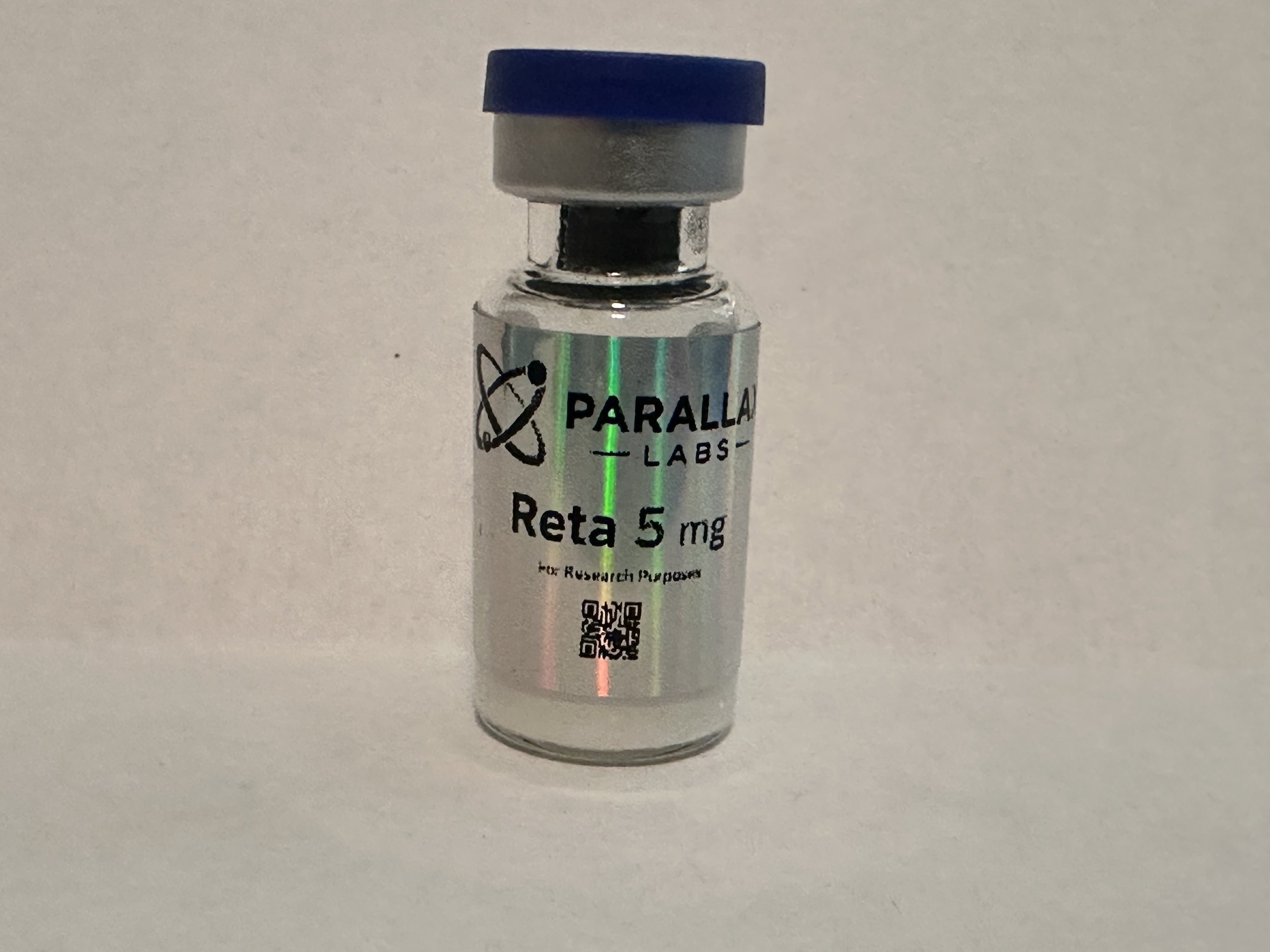
Retatrutide (GLP-3)
Retatrutide is an investigational peptide therapeutic classified as a GLP-3 compound — a next-generation, multi-receptor agonist designed to target metabolic disease through simultaneous activation of three key receptors: the glucagon-like peptide-1 receptor (GLP-1R), the glucose-dependent insulinotropic polypeptide receptor (GIPR), and the glucagon receptor (GCGR). By engaging this triad, retatrutide aims to deliver greater improvements in weight loss, glycemic control, and metabolic function than single-receptor GLP-1 therapies.
Key pharmacology and mechanism
GLP-1R agonism: Enhances glucose-dependent insulin secretion, slows gastric emptying, reduces appetite, and promotes weight loss.
GIPR agonism: Potentiates insulin secretion and may augment weight loss and metabolic effects when combined with GLP-1 activity.
GCGR agonism: Modulates energy expenditure and lipid metabolism; careful balancing with GLP-1/GIP activity is intended to enhance weight reduction while limiting hyperglycemia risk.
Clinical development and efficacy signals
Clinical trials of retatrutide have reported substantial body weight reductions in overweight and obese adults, with results suggesting greater mean weight loss compared with current single- and dual-agonist therapies in similar study populations.
Improvements in markers of glycemic control (fasting glucose, HbA1c) and cardiometabolic risk factors (lipids, blood pressure) have been observed in early-phase studies.
Doses and administration schedules investigated are typically once-weekly subcutaneous injections, consistent with other long-acting incretin agonists.
Safety and tolerability
The most commonly reported adverse events mirror those seen with GLP-based therapies: gastrointestinal events (nausea, vomiting, diarrhea, constipation), transient appetite suppression, and injection-site reactions.
Because retatrutide includes GCGR activity, monitoring for effects on fasting glucose and potential metabolic perturbations is important; trials aim to balance receptor activities to avoid significant hyperglycemia or excessive catabolism.
Long-term safety data are still being collected; cardiovascular outcomes and rare adverse events remain under investigation.
Clinical considerations
Patient selection in future clinical use will emphasize individuals with obesity and those needing enhanced glycemic control who may benefit from greater weight loss than available with current therapies.
Treatment initiation and dose escalation protocols will need to address tolerability (particularly GI side effects) and glycemic safety monitoring.
Combination with lifestyle interventions (diet, exercise, behavioral support) is expected to remain a cornerstone of effective therapy.
Regulatory status and availability
As an investigational agent, retatrutide’s availability is limited to clinical trials until regulatory approvals are obtained. Final indications, dosing, and safety labeling will depend on outcomes from ongoing and completed phase 3 programs and regulatory review.
Summary Retatrutide represents a promising GLP-3 approach that combines GLP-1, GIP, and glucagon receptor agonism to amplify weight-loss and metabolic benefits beyond existing incretin therapies. Early clinical data indicate notable efficacy for weight reduction and metabolic improvement, with a safety profile broadly consistent with incretin-based treatments. Continued phase 3 data and regulatory review will clarify its role in managing obesity and metabolic disease.
For Research purposes only.
About our company
Parallax Peptides sells high-quality peptides at reasonable prices, backed by friendly, knowledgeable customer service and a commitment to a great customer experience. We focus on providing reliable products, clear information, and responsive support so customers can make informed choices with confidence.
What we offer
High-quality peptides sourced and handled with rigorous quality controls.
Competitive pricing designed to make advanced products accessible.
Responsive customer service from a team that listens and helps solve problems.
Clear product information and guidance to support safe, effective use.
How we operate
Quality first: We prioritize product integrity through careful supplier selection and testing.
Transparency: Product details, handling instructions, and policies are communicated clearly.
Customer experience: Fast, courteous responses and straightforward purchasing and returns.
Continuous improvement: We gather feedback and refine products and processes to better serve customers.
Why customers choose Parallax Peptides
Reliable products at fair prices.
Helpful, friendly support that makes purchasing and post-purchase care simple.
A company that treats customers respectfully and works to build long-term trust.

Contact Us
We’re here to help
Have a question about an order, a product, or need assistance? Our friendly customer support team at Parallax Peptides is ready to help you. Here’s how to reach us:
Email: david@parallaxpeptides.com — Best for order inquiries, product questions, and documentation. We aim to respond within 24 hours on business days.
Available Monday–Friday, 9:00 AM–5:00 PM (local time) for urgent assistance and real-time support.
Live Chat — Click the chat icon on our website for quick answers during business hours.
Before you contact us, you might find a quick answer in our Help Center — product guides, shipping info, returns, and FAQs are all there.
Feedback is welcome — we’re always looking to improve your experience. If you’d like to share a compliment, suggestion, or concern, please include details so we can respond promptly.
Thank you for choosing Parallax Peptides. We look forward to helping you.